Ethical AI Art: The 'Human-Made' Advantage in 2026

There is a particular quality in a photograph taken by someone who chose to be in that moment. Who drove three hours to catch that light. Who waited for the composition to arrive rather than generating it in 30 seconds. This quality is not visible in the pixels. It is present in everything around them — in what the image knows about the world, about patience, about presence. In 2026, this quality has a name. It has a market. It has a metadata tag.
The Vision: Authenticity as a Competitive Asset
The paradox of 2026’s creative landscape is this: generative AI has made high-quality visual content available to everyone at near-zero marginal cost, which means that the scarcest and most valuable creative commodity is no longer quality. It is provenance. The question that audiences, brands, and institutions are increasingly asking is not “is this beautiful?” but “who made this, and from what?”
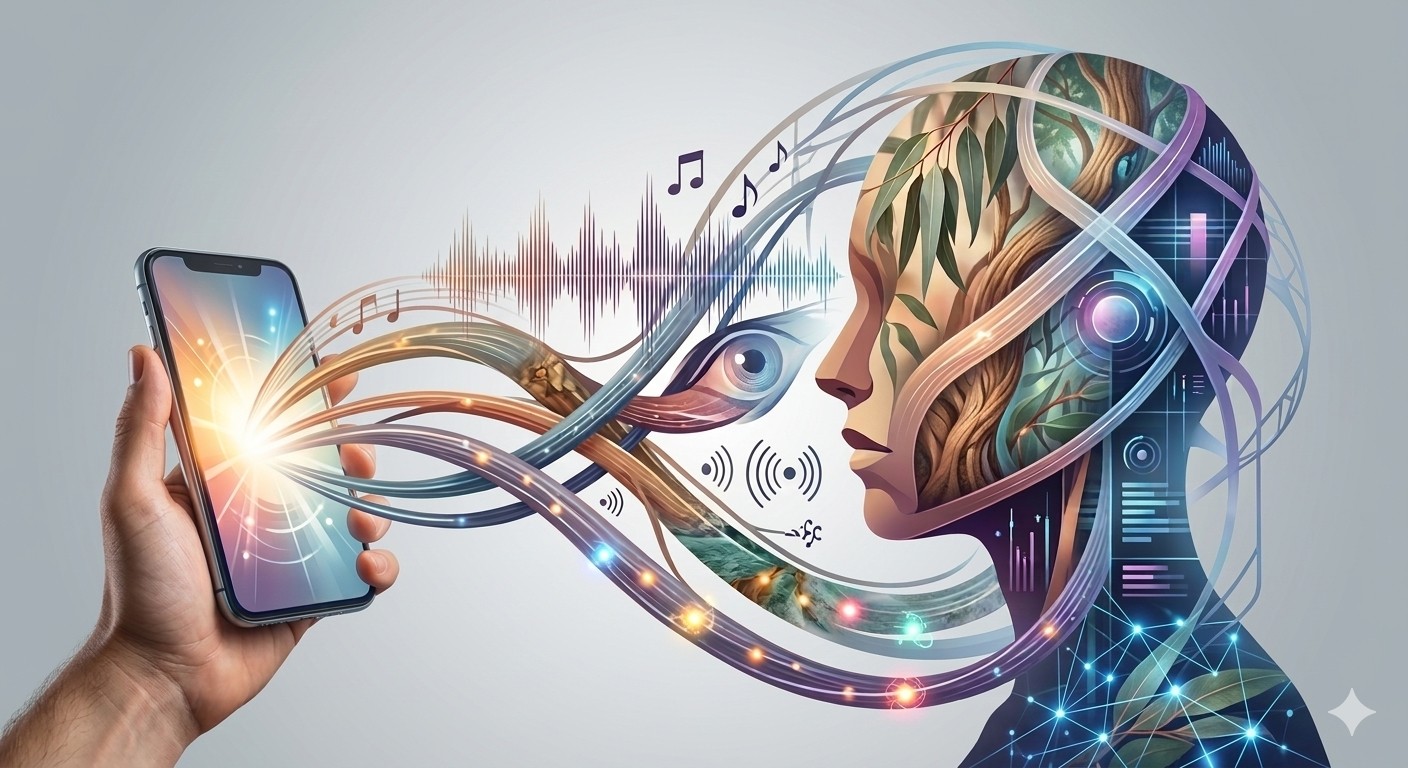
Adobe’s Content Credentials system — developed as part of the Content Authenticity Initiative (CAI), a coalition Adobe co-founded in 2019 that now counts over 3,300 members including major tech companies, news organisations, and academic institutions — is the infrastructure layer for this provenance economy. Content Credentials are industry-standard, tamper-evident metadata attached to every asset created or edited using Adobe tools: a digital nutrition label that records who created the image, what tools were used, whether generative AI was involved, and a full edit history. For an Australian creative professional, this system provides two distinct capabilities: the ability to demonstrate that your work is human-made, and the ability to control whether your work is used to train AI models.
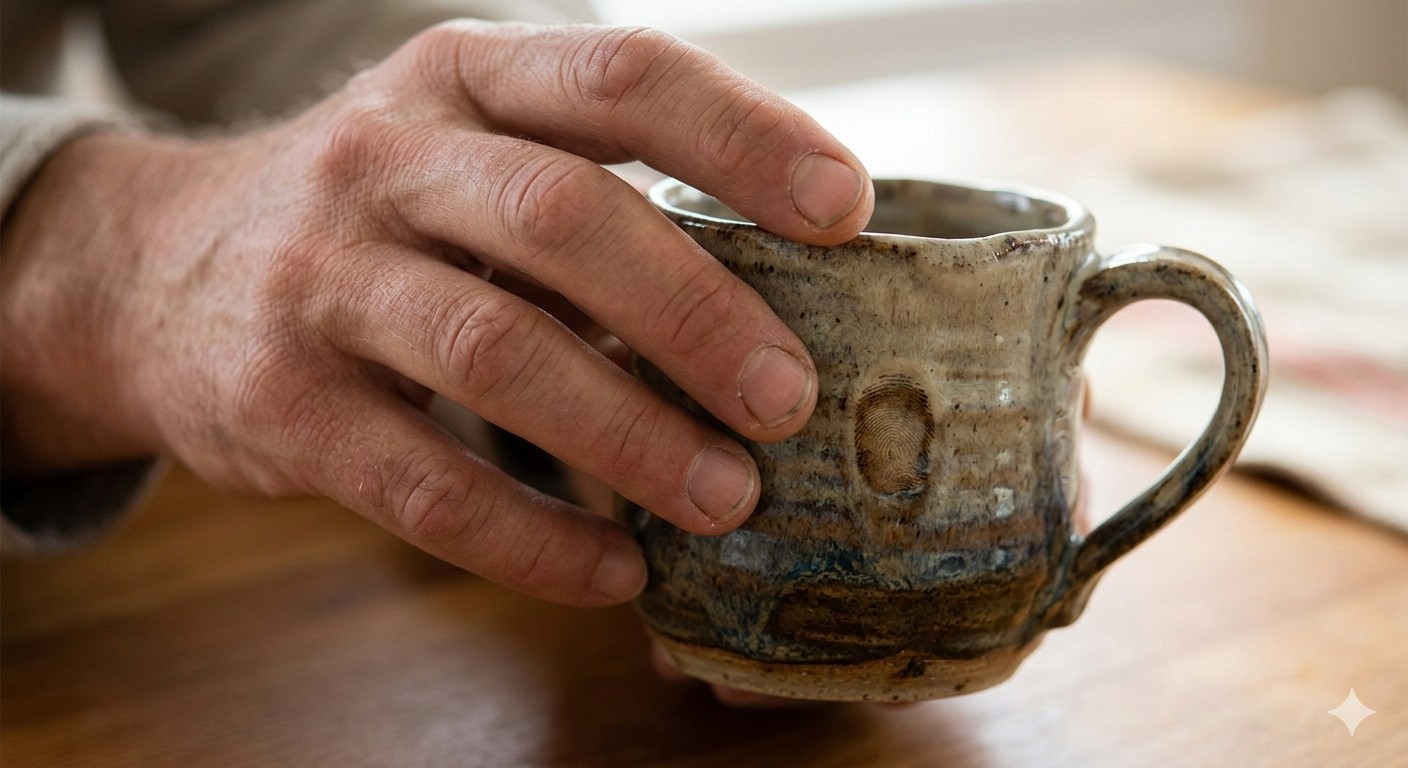
Canva’s 2026 trend data confirms the market direction. The research found that creators are embracing AI as a partner while simultaneously asserting the value of human creative authorship. The Year of Imperfect by Design is, at its core, a provenance movement — an assertion that the human fingerprint in creative work is not a flaw but a feature. For Australian photographers, illustrators, and brand artists, this is the most commercially significant creative positioning shift of the decade.
The Technique: Three Steps to Ethical Creative Practice in 2026
Step 1: Build Your Content Credentials Profile
Set up your Adobe Content Authenticity profile with your verified name and at least one connected social media account. Enable the “Do Not Train” generative AI preference for all work you wish to protect from AI training datasets. For every commercial asset you create, ensure Content Credentials are attached before delivery to clients. These credentials are tamper-evident and recoverable via Adobe’s Content Credentials cloud — meaning they survive format conversion, screenshot, and re-upload in most contexts. For an Australian photographer or illustrator, this is your professional provenance infrastructure. It is the difference between a claim that your work is original and a verifiable record that it is.
Step 2: Define Your Human Authorship Statement
In 2026, every creative professional benefits from a documented Human Authorship Statement — a clear description of what role human creativity plays in their process, regardless of what AI tools assist it. For a photographer: the choices of light, location, moment, subject relationship, and editorial selection are the acts of human authorship. For an illustrator using Firefly for base generation: the brief, the direction, the selection, the refinement, the typography, the compositional decisions, and the brand application are the acts of human authorship. Document this explicitly in your client agreements and on your portfolio. The goal is not to hide AI involvement — it is to make clear what the human contribution is, and why it is irreplaceable by the model alone.
Step 3: Position the Human-Made Premium
The market signal from Canva’s 2026 data is clear: visual authenticity has become the ultimate differentiator in a world of AI abundance. For Australian creative studios and independent practitioners, this creates a specific commercial positioning opportunity. The Human-Made premium — creative work whose provenance, process, and authorship are documented and verifiable — commands a price premium in the same way that handcrafted physical goods command a premium in markets saturated with mass production. The positioning is not “we don’t use AI.” (That is both impractical and increasingly irrelevant.) The positioning is “every creative decision in our work is made by a human being who cares about your brand.” The AI tools extend our capability. They do not substitute our judgement.
Standard AI vs. Human-Refined Ethical Creative Practice
The Soul Check: Is Your Authenticity Authentic?
There is a version of the Human-Made premium that is marketing without substance: the studio that claims human authorship while generating everything with AI and adding a signature. This version will not survive the scrutiny of a sophisticated client or a provenance tool. The creative professionals who will hold the Human-Made advantage in 2026 and beyond are those for whom the human contribution is genuinely irreplaceable — not because they avoid AI, but because the creative judgement, cultural knowledge, client relationship, emotional intelligence, and aesthetic sensibility they bring to every project is something no model can simulate. Your ethical practice is only as strong as your creative conviction.
For any AI-generated asset used in a commercial client deliverable in Australia: (1) Generate only in Adobe Firefly on a qualifying Creative Cloud or Firefly Pro plan that includes IP indemnification. (2) Verify the asset is 100% generated by Firefly (not a third-party partner model), as indemnification applies only to Firefly-native outputs. (3) Check Content Credentials are attached before export using the Inspect tool at contentauthenticity.org. (4) Include a one-line AI disclosure in your delivery note: “This asset was generated using Adobe Firefly, a commercially licensed generative AI system, under [your name]’s creative direction.” This four-step workflow protects your client, documents your process, and positions your studio as a responsible AI creative practitioner — which in 2026 is exactly the practitioner that premium AU brands want to work with.